
Moving in Edmonton means dealing with some of the most unpredictable and extreme weather conditions in Canada.
Long winters, heavy snowfall, icy sidewalks, and sudden temperature drops can turn a regular moving day into a serious safety challenge.
Even during summer, Edmonton can experience intense heat, strong winds, or sudden storms that complicate the moving process.
Snow and ice make driveways and residential streets slippery, increasing the risk of falls while carrying heavy furniture.
Freezing temperatures can damage electronics, crack fragile items, and make handling boxes more difficult.
On the other hand, hot summer days can lead to dehydration, fatigue, and heat-related stress if proper precautions aren’t taken.
Because Edmonton weather can change quickly, preparation and safety are essential.
Whether you’re moving during a winter cold snap or a warm summer day, understanding how local weather impacts your move can help protect both your belongings and everyone involved.
Why Moving in Bad Weather Is Challenging in Edmonton
Bad weather adds unique difficulties to an already stressful process. Rain, snow, or extreme heat can create hazards that affect both safety and efficiency:
Bad weather already makes moving difficult, but Edmonton’s climate adds extra challenges that require careful planning and awareness.
Long winters, frequent snowfalls, and freeze–thaw cycles create conditions that can slow down your move and increase safety risks if you’re not prepared.
Slippery driveways and sidewalks are one of the biggest concerns.
Snow, ice, and compacted slush are common on Edmonton streets, especially in residential areas and back alleys.
Carrying heavy boxes or furniture on these surfaces significantly increases the risk of slips and falls.
Freezing temperatures affect handling and protection.
Cold weather makes materials brittle, including plastic bins, electronics, and wooden furniture.
Gloves reduce grip strength, while icy wind and wind chill make it harder to work efficiently outdoors.
Snowbanks and limited access can also complicate loading and unloading. Piled snow may block driveways, curbside parking, or walkways, forcing movers to carry items farther.
Summer weather brings its own risks. Hot days, strong sunlight, and sudden storms can cause dehydration, fatigue, and damage to heat-sensitive items like electronics, vinyl records, and candles if they’re left unprotected.
Rushing due to weather pressure is another common issue.
Trying to finish quickly to avoid worsening conditions often leads to poor lifting techniques, dropped items, and avoidable accidents.
In a city like Edmonton, where weather conditions can shift quickly, understanding these challenges is the first step toward a safer and smoother move.
1. Preparation Is Key for Moving in Edmonton Weather
When it comes to moving in Edmonton, preparation is one of the most important safety factors.
Weather conditions can change quickly, especially during winter, so planning ahead helps you avoid delays, damage, and injuries on moving day.
Check the Edmonton weather forecast regularly.
Monitor local forecasts in the days leading up to your move and again on moving day.
Pay attention to snowfall warnings, extreme cold alerts, wind chill advisories, and summer heat warnings.
If severe conditions are expected, it may be safer to adjust your timeline or prepare extra safety measures.
Plan routes with winter conditions in mind. Edmonton roads can become icy or snow-covered, particularly early in the morning or after overnight snowfall.
Choose main roads that are more likely to be plowed and salted, and avoid areas prone to heavy snow buildup or reduced visibility.
Always have an alternate route in case of closures or traffic delays.
Prepare your vehicle or moving truck for Edmonton’s climate.
Ensure the vehicle is equipped with winter tires during cold months and that brakes, lights, and windshield wipers are in good condition.
Keep essentials on hand such as shovels, ice scrapers, traction mats, and extra windshield fluid.
In warmer months, check coolant levels and tire pressure to prevent overheating.
Clear and prepare your property in advance.
Shovel snow, remove ice, and apply salt or sand to driveways, walkways, and stairs.
This reduces slip hazards and makes loading and unloading safer for everyone involved.
Taking these steps ahead of time can make a significant difference when moving in Edmonton’s challenging weather conditions.
2. Protecting Your Belongings

Weather can quickly damage unprotected items, so packing with durability in mind is essential.
Use Waterproof and Durable Packing Materials
Choose plastic bins, heavy-duty boxes, waterproof liners, shrink wrap, and tarps to safeguard your belongings against rain, snow, or extreme heat.
Wrap Fragile Items
Cover electronics, artwork, important documents, and delicate furniture with plastic, waterproof covers, or bubble wrap to prevent water or humidity damage.
Secure Boxes and Tape Properly
Moisture can weaken boxes, so use strong, water-resistant packing tape and double tape the bottoms and corners for extra support.
Special Care for Outdoor Items
Garden tools, patio furniture, grills, and equipment should be wrapped in tarps or stored in waterproof containers to avoid rust, mold, or other weather-related damage.
3. Managing Weather-Specific Moves
Moving in Rain
- Lay towels, plastic sheets, or moving blankets on floors.
- Keep the truck close to the house; cover furniture with moving pads and plastic wrap.
- Use trolleys or dollies to reduce slips and heavy lifting injuries.
Moving in Snow and Ice
- Clear driveways and sidewalks; apply salt or sand.
- Wear layered clothing and waterproof boots with non-slip soles.
- Keep hot beverages and portable heaters for helpers.
- Postpone move if conditions are too severe.
Moving in Heat or Heatwaves
- Move early morning or late afternoon to avoid peak heat.
- Stay hydrated and take frequent shaded breaks.
- Use breathable, light-colored clothing; apply sunscreen and wear hats.
- Protect heat-sensitive items (electronics, vinyl records, candles) with moving blankets or insulated packaging.
4. Personal Safety and Comfort

Dress Appropriately
Wear weather-appropriate clothing. In winter, layer up with gloves and hats. In summer, opt for light, breathable fabrics. Proper footwear with good grip is essential for any season.
Stay Hydrated and Nourished
Keep bottled water and snacks on hand. Moving is physically demanding, so fuel your body to avoid fatigue or dehydration.
Take Breaks
Schedule regular short rests, especially in extreme heat or cold. This helps prevent exhaustion and keeps you alert.
Prepare a Personal Essentials Bag
Pack a small bag with items like medications, phone chargers, toiletries, and a change of clothes. Keep it accessible so you don’t have to dig through boxes during the move.
Keep First Aid Handy
Accidents can happen, so have a first aid kit ready with bandages, antiseptic, and any necessary personal medications.
5. Safety and Efficiency Tips
- Protect floors and stairs with mats, towels, or plastic sheets to avoid damage and reduce slipping hazards.
- Wipe stairwells, ramps, and pathways frequently to keep surfaces dry and safe.
- Move in short shifts to maintain energy, prevent strain, and stay focused.
- Keep fragile and high-value items separate, clearly labeled, and within easy reach for added protection.
6. When to Hire Professional Movers
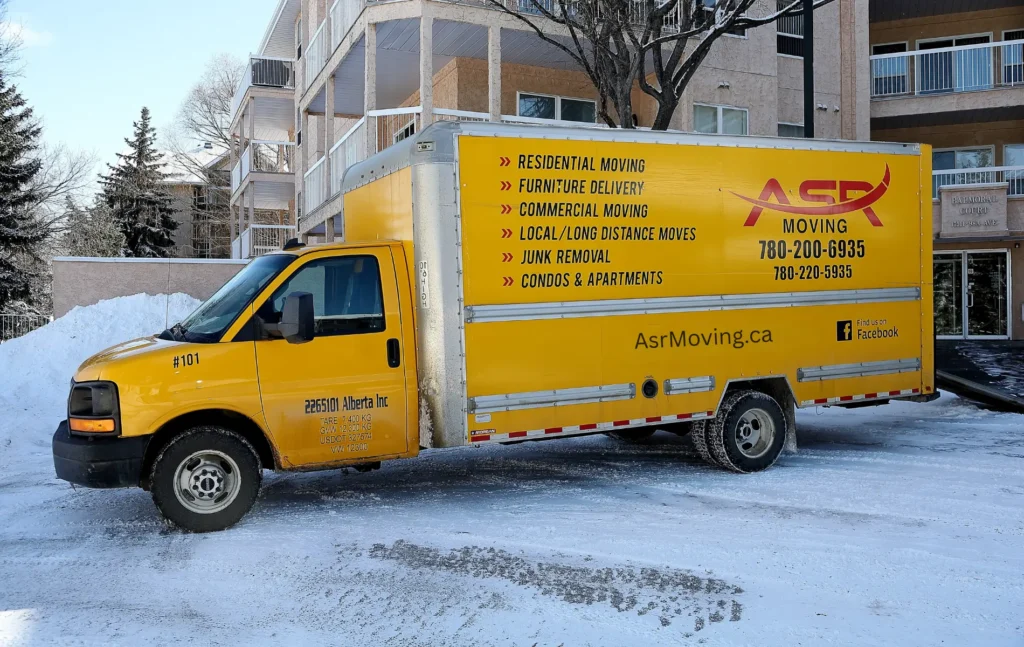
Bad weather can make a move more stressful and even dangerous. If conditions are extreme or you’re dealing with bulky items, hiring professionals is the safest choice.
Movers have the right equipment, trucks, and protective materials to keep your belongings secure in rain, snow, or heat. They’re also trained to navigate slippery surfaces and heavy lifting without injury.
Beyond safety, professional movers bring valuable expertise. They can save time, reduce the risk of accidents, and ensure items are protected against weather damage.
As EIN Presswire points out, experienced movers know how to navigate narrow hallways, fragile furniture, tight deadlines, and unexpected disruptions like bad weather.
For many people, that expertise is the difference between a smooth transition and a moving-day nightmare.
7. Backup Plans and Storage
Unpredictable weather can throw even the best moving plans off track. Having a backup plan keeps you in control.
If storms or unsafe road conditions make moving risky, consider delaying the move until it’s safer. Communicate with your moving team early so adjustments can be made without last-minute stress.
For extra protection, temporary storage is a smart option. Renting a secure storage unit allows you to keep your belongings safe and dry until the weather clears. This prevents damage to furniture, electronics, and delicate items while giving you flexibility with your timeline.
Wrapping Up
Moving in bad weather can be tough, but with the right planning and precautions, you can keep your belongings safe and avoid unnecessary stress.
Staying prepared, protecting your items, and knowing when to call in professionals makes a big difference.
If you’d rather not take on the risks yourself, our team at Asr Moving is your trusted local mover in Edmonton, offering safe and reliable moving services in any season.
Call us today to make your move easier and stress-free.