
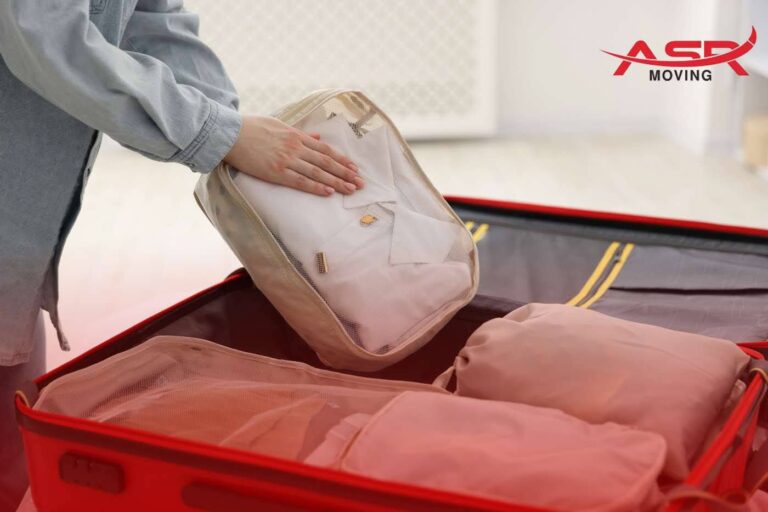
Packing clothes for a move can be one of the trickiest tasks. From delicate garments to bulky sweaters, shoes, and accessories, keeping everything organized and damage-free requires a clear strategy.
Moving locally or to a new city presents different challenges, but the goal is the same: save time, protect your belongings, and make unpacking easier.
This guide offers practical tips for decluttering, sorting, and packing your clothes efficiently, along with advice on labeling, storing essentials, and using professional movers when needed.
Follow these steps to ensure your wardrobe arrives in great condition and reduce the stress of moving day.
1. Declutter Your Closet
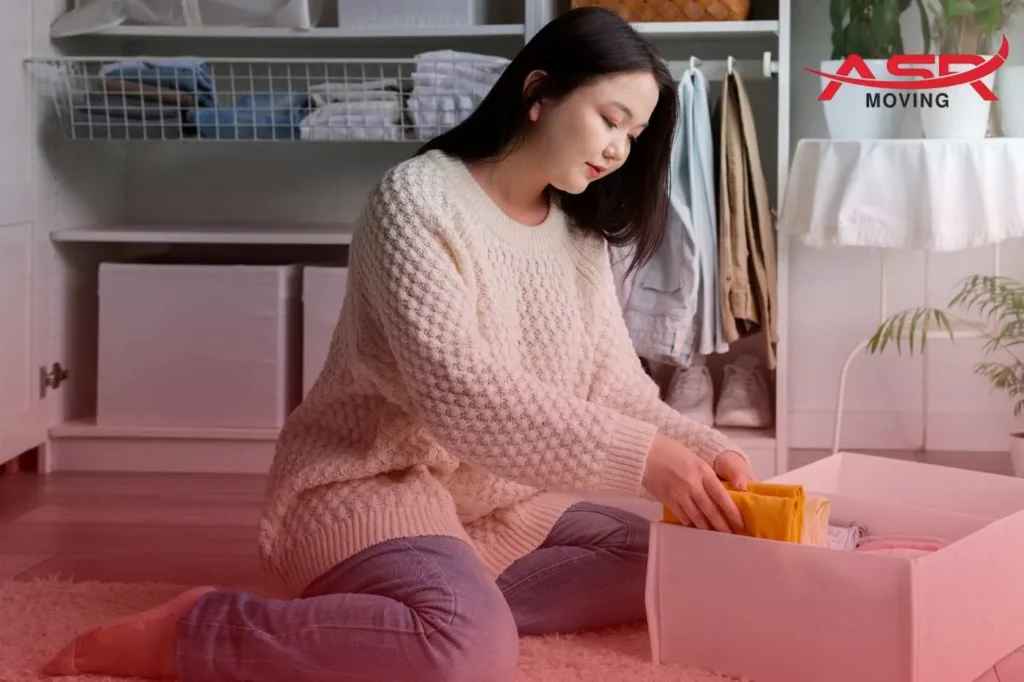
Before packing, go through your closet carefully and remove any clothes you no longer need. This includes items that are old, damaged, no longer fit, or that you no longer wear.
Categorize items: Sort your clothing into four groups:
- Keep – Clothes you love and will take to your new home.
- Donate – Gently used clothes that someone else could benefit from.
- Sell – Clothes that still have value and could be sold online or at a local consignment shop.
- Toss – Clothes that are too worn or damaged to use or donate.
Suggested tools and platforms:
- Local donation groups or charities for giving away clothes.
- Online marketplaces like Facebook Marketplace or Buy Nothing for selling or giving away items.
- Simple disposal for items that are tattered or unusable.
Benefits of decluttering:
- Reduces moving volume: Less stuff means fewer boxes, bags, and less weight to transport.
- Saves time: Packing only what you need makes the process faster.
- Cuts moving costs: Moving fewer items can reduce labor, packing supplies, and transportation expenses.
2. Sort and Organize Clothes
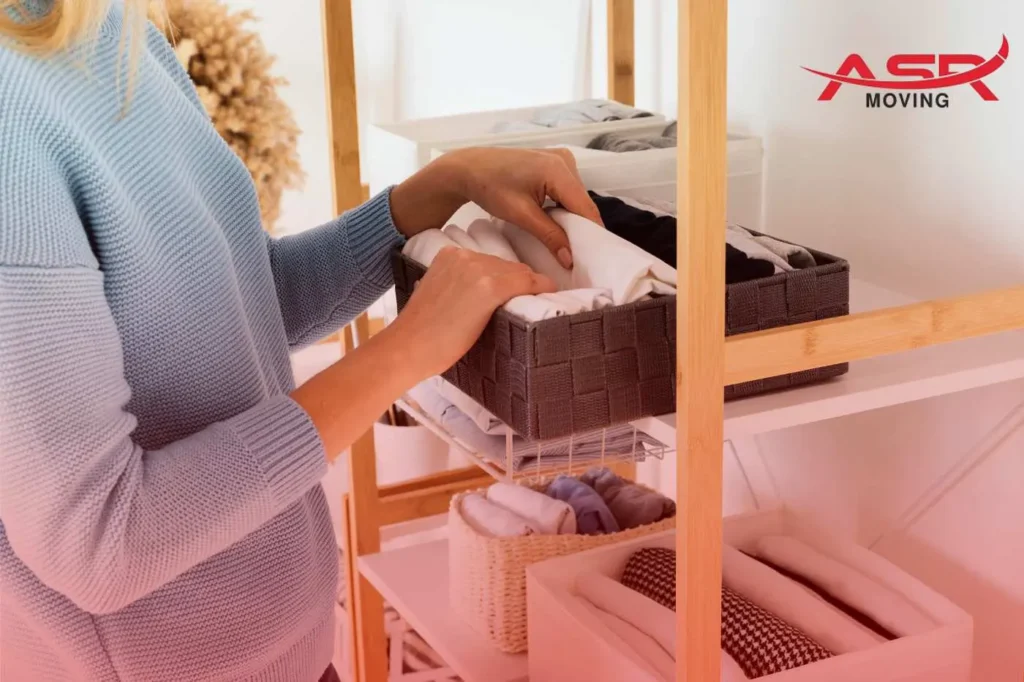
By Season
Sort your clothes according to the current season. Place the items you’ll need immediately—like summer clothes in warm months or winter coats in cold months—on top or in an easily accessible box.
Off-season clothing can be packed deeper in the moving boxes or stored separately. This makes unpacking more efficient and prevents you from digging through boxes for what you need.
By Type
Separate clothes by type, such as t-shirts, sweaters, pants, suits, or delicate items. This organization helps you:
- Choose the right packing materials (e.g., suits go in garment bags, sweaters can be folded in boxes).
- Quickly find what you need at your new home.
- Keep delicate items protected and avoid unnecessary wrinkles or damage.
By Person
For family moves, pack each person’s clothes separately. Label boxes or bags clearly with each person’s name. This reduces confusion when unpacking and ensures everyone can easily locate their own clothing without sorting through a shared pile.
Create an Inventory
Optionally, keep a record of what’s in each box. You can:
- Use a spreadsheet or note-taking app on your phone.
- Number or label boxes and list their contents.
- Quickly reference your inventory to locate specific items without opening multiple boxes.
3. Choose Packing Methods
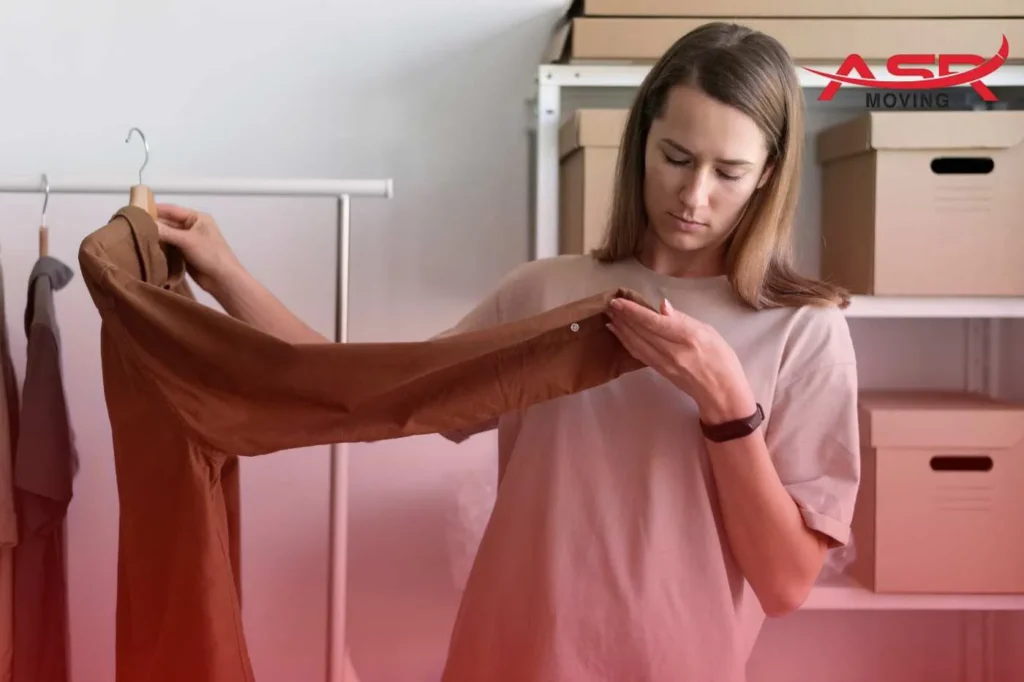
Hanging Clothes
- Wardrobe Boxes: These are tall boxes with built-in hanging bars, perfect for long-distance moves. You can transfer clothes straight from your closet without folding, keeping garments wrinkle-free and organized. Use the bottom of the box for folded items, shoes, or accessories to maximize space.
- Garment Bags: Ideal for delicate, expensive, or formal clothing such as suits, evening gowns, or silk blouses. Choose breathable fabric bags to prevent moisture build-up and protect items from dust or snags.
- DIY Methods for Short Moves:
- Bunch and Bag: Gather 5–10 hanging items and slide them into a large trash bag. Secure the top with a rubber band or tie, making small bundles that are easy to carry through doorways and stairs.
- Sheet Wrap: Lay a sheet flat, place a section of hanging clothes on it, and wrap snugly. This adds extra protection, especially if you have an extra set of hands to help carry larger bundles.
Foldable Clothes
- Rolling Method: Roll clothes tightly to save space and reduce wrinkles. Works well for t-shirts, jeans, and casual wear.
- Flat Fold Method: Best for delicate or structured items that shouldn’t be rolled. Keeps clothing neat and easier to stack in boxes.
- Suitcases and Duffel Bags: Great alternatives for packing folded clothes, shoes, and essential items. These can also double as your “first night” bag for immediate access after moving.
- Vacuum-Sealed Bags: Perfect for bulky garments like sweaters, jackets, or out-of-season clothes. Compresses items to save space and provides protection against moisture, dust, and pests.
4. Pack Accessories and Shoes
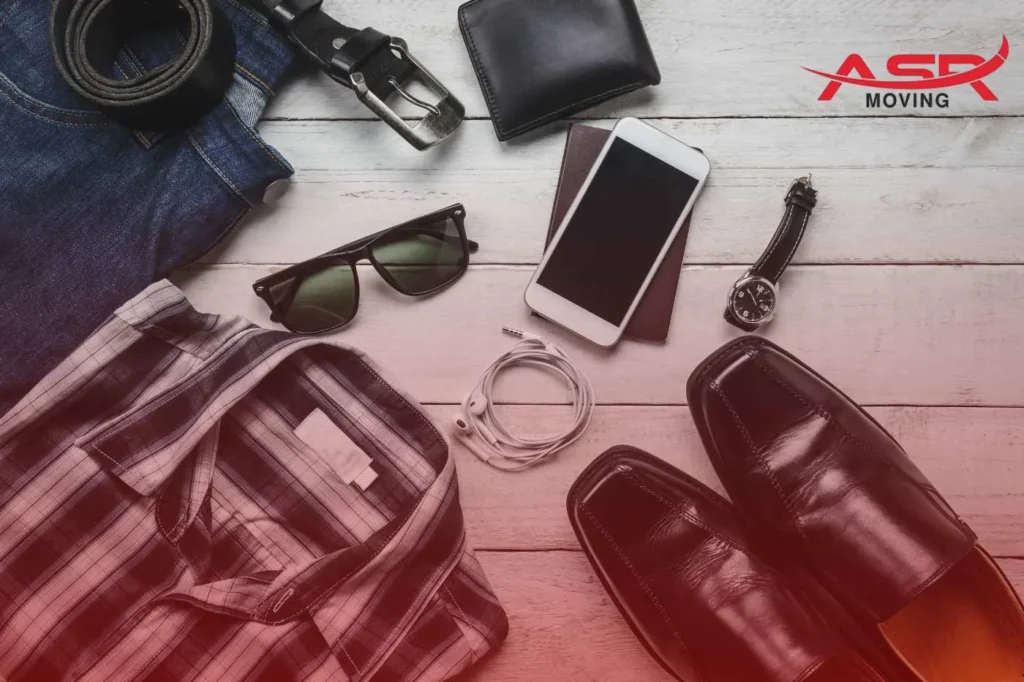
Shoes
- Use the original boxes if you still have them to keep shoes protected and organized.
- Alternatively, shoe bags or plastic bags work well for keeping pairs together.
- Stuff shoes with socks, packing paper, or tissue to help them maintain their shape and prevent crushing during the move.
- Place shoes at the bottom of boxes or alongside folded clothes to maximize space and avoid damage.
Belts
- Roll belts neatly to save space and prevent creases.
- Store them inside garment bags, suitcases, or shoes to keep them organized and easily accessible.
- For delicate or designer belts, consider wrapping them in tissue paper for extra protection.
Hats
- Use packing paper, bubble wrap, or soft cloth to stuff the interior, preserving the shape.
- Hat boxes or sturdy cardboard boxes provide extra protection for delicate or structured hats.
- Nest smaller hats inside larger ones if needed to save space.
Jewelry
- Use pouches, small boxes, or compartment organizers to keep items separated and untangled.
- Wrap delicate pieces like necklaces, bracelets, or earrings in tissue paper or soft cloth to prevent scratches.
- Keep valuable jewelry in your personal bag or carry-on instead of packing it in moving boxes for added security.
5. Label and Separate Essentials
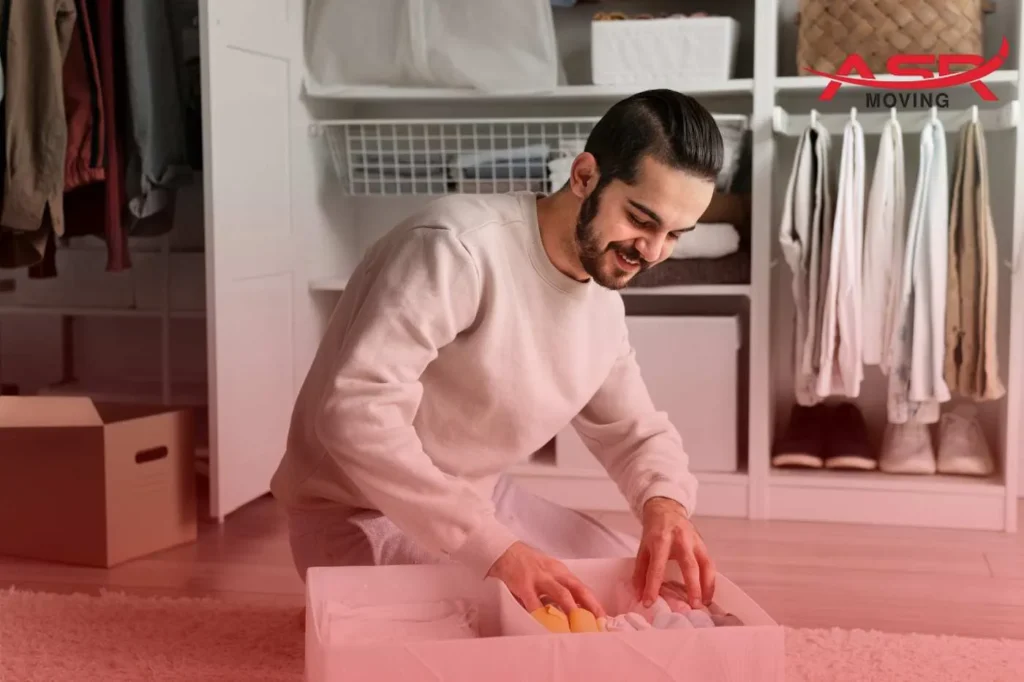
Label Boxes Clearly
- Write the contents and room destination on each box to make unpacking faster and more organized.
- Use color-coded stickers or markers to quickly identify rooms, family members, or clothing types.
Keep Essentials Separate
- Pack a “first-night” bag with pajamas, toiletries, a change of clothes, and any items you’ll need immediately.
- This ensures you won’t have to dig through multiple boxes when you arrive at your new home.
Optional Digital Inventory
- Use a number/letter system on your boxes (e.g., K1 for Kitchen, B2 for Bedroom) and track contents in a spreadsheet or phone note.
- This system makes it easy to locate specific items without opening every box.
6. Save Time and Money on Packing
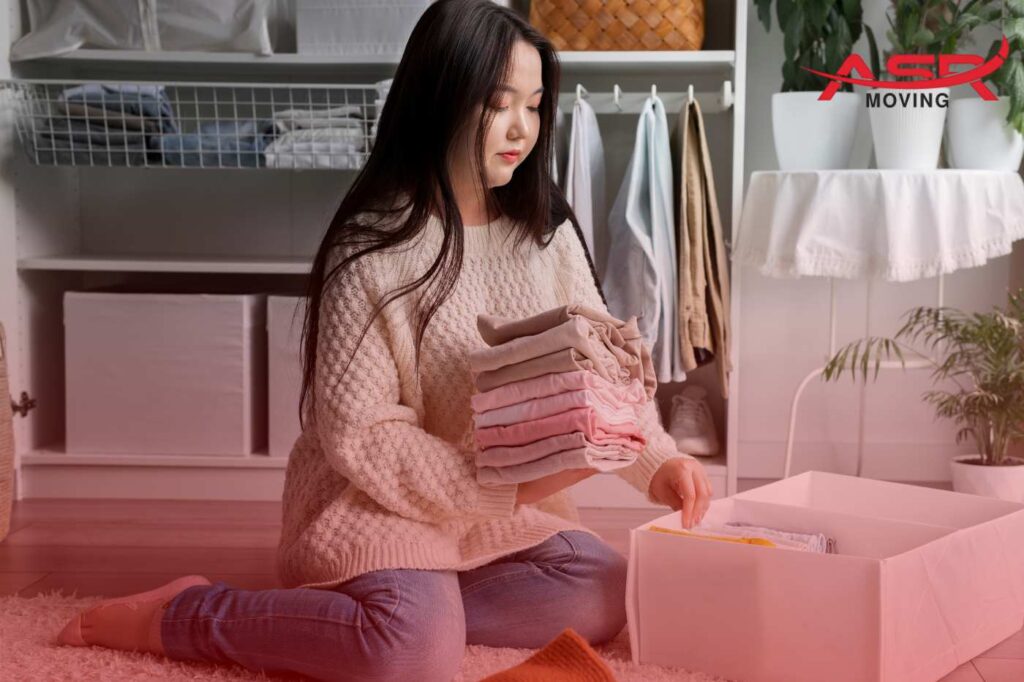
Use Items You Already Have
- Repurpose old suitcases, drawers, or garbage bags to pack clothes and accessories efficiently.
Declutter Before Packing
- Removing unwanted items reduces the number of boxes you need, saving time, effort, and moving costs.
Fold Clothes Efficiently
- Rolling or flat-folding clothes maximizes space in boxes and suitcases, letting you move more in fewer containers.
Consider Reusable or Rental Containers
- Reusable bins or rental moving containers reduce the need to purchase extra cardboard boxes.
- They are sturdy, eco-friendly, and can double as storage after the move.
7. Hire Professionals When Needed
Sometimes the smartest packing plan includes calling in the experts. Professional movers bring efficiency to the process, packing, loading, and transporting your clothes much faster than you could on your own. They also know how to protect garments properly, using wardrobe boxes, garment bags, and padding to prevent wrinkles and damage.
Another major benefit is reduced physical strain. Lifting heavy boxes, dressers, or wardrobe racks can take a toll, while movers handle the heavy lifting with ease. That peace of mind is invaluable—survey respondents even cited “less stress and anxiety” as the number one reason they’d hire movers again.
Research from EIN Presswire backs this up, showing that hiring professionals can cut moving time by as much as 50% compared to a DIY move. For many, avoiding the exhaustion, decision fatigue, and logistical headaches of doing everything alone makes professional help worth every penny.
When to Consider Professionals
- Long-Distance Moves: Extra care is needed for transporting clothes over long distances to prevent wrinkles, moisture damage, or loss.
- Large Volumes of Clothing: Families or individuals with extensive wardrobes can benefit from hiring movers to save time and avoid mistakes.
Pro Tip: Even if you’re doing a partial DIY move, hiring professionals for delicate, valuable, or hanging clothes can make a big difference in ensuring everything arrives in pristine condition.
Wrapping Up
Packing your clothes doesn’t have to be stressful. Declutter, sort, and use the right packing methods to protect your wardrobe, save time, and make unpacking in your new home much smoother. If the thought of moving it all feels overwhelming, let the experts handle it. At Asr Moving, our skilled local mover in Edmonton ensures your clothes and belongings arrive safely and efficiently, so you can focus on settling into your new home. Call us today and make your next move hassle-free!