
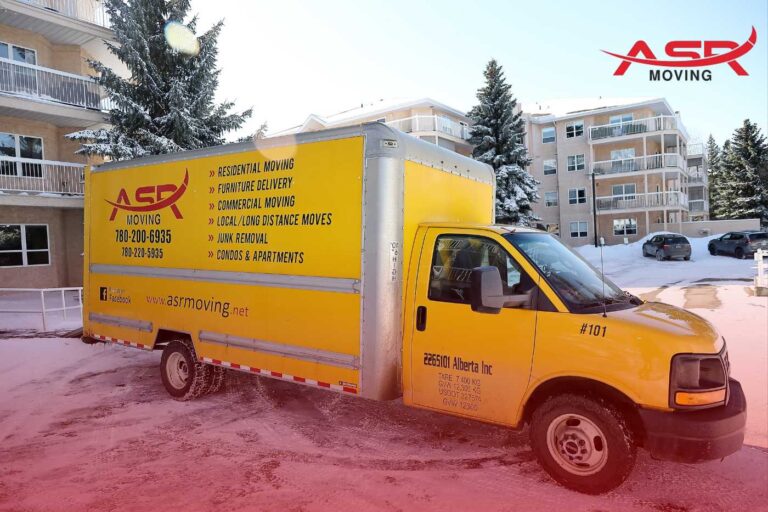
Winter moving in Canada presents unique challenges, with slippery roads and freezing temperatures increasing the risk of accidents. In 2023, approximately 30% of all motor vehicle accidents in Canada occurred on snowy or icy roads, highlighting the hazards of winter driving.
Additionally, cold-related injuries, such as frostbite and hypothermia, led to over 9,400 hospitalizations between 2011 and 2023. These statistics underscore the importance of careful planning and preparation when moving during the winter months to ensure safety for both people and belongings
Top Do’s for a Winter Move

1. Monitor the Weather Early and Often
Start keeping an eye on the forecast at least a week before your move, and pay extra attention in the day or two leading up to moving day. Winter weather can change quickly, so be prepared to adjust your plans if conditions become unsafe. Keep in touch with your movers about possible backup dates so everyone is on the same page.
2. Hire Movers Experienced with Winter Conditions
Choose movers who have experience handling snow and ice. Ask about the tools and precautions they use, such as tire chains, insulated blankets, and waterproof covers. Experienced movers can make a big difference:
- Ensures safety for everyone involved
- Reduces stress during a tricky move
- Minimizes risk of damage to your belongings
3. Prepare Your Home and Pathways
Make your move safer and smoother by clearing snow from walkways, driveways, and stairs. Spread salt or sand to prevent slips. Inside, protect your floors with mats, tarps, or plastic sheeting to catch any snow, ice, or slush your movers track in. This small step helps avoid accidents and keeps your home clean during the chaos of moving.
4. Pack a Winter Essentials Bag
Make a bag with all your winter must-haves and keep it with you rather than in the moving truck. Include items like gloves, hats, scarves, extra layers, snacks, water, medications, a flashlight, hand warmers, a phone charger, and basic first-aid supplies. Having these items on hand ensures you stay warm, fueled, and prepared for unexpected delays during the move.
5. Protect Your Belongings from Cold and Moisture
Winter weather can be tough on your possessions. Use waterproof bins for electronics, books, and clothing, and reinforce boxes with extra tape. Fragile items should be double-wrapped with bubble wrap or blankets.
Avoid leaving sensitive belongings in a cold vehicle for long periods, and consider climate-controlled storage for long-distance moves or particularly delicate items.
6. Prepare Your Vehicle
Before moving day, make sure your vehicle is ready for winter conditions. Check tires, fluids, windshield wipers, and heaters, and consider snow tires or chains for icy roads. According to TRAC’s 2024 Canadian Consumer Winter Tire Study, 73% of Canadian drivers believe extreme weather events related to climate change have made winter tires more important than ever—a clear sign that preparation matters.
Keep an emergency kit with you, including:
- Blankets
- Flashlight
- Snacks and water
- Jumper cables
- Sand or kitty litter for traction
- Phone charger
This kit can be a lifesaver if you encounter unexpected delays or difficult road conditions.
7. Keep Utilities Active Until the Move is Complete
Make sure heat, water, and electricity stay on until the last box is moved. This prevents cold hazards inside your home and makes cleaning, equipment use, and overall moving operations much easier for everyone involved.
8. Include Pet Safety Measures
If you’re moving with pets, keep them safe and comfortable. Secure them in a warm room or insulated carriers during the move. Double-check that their ID tags or microchip information is up to date so you can avoid any unnecessary stress or confusion.
Top Don’ts for a Winter Move
1. Don’t Procrastinate Packing
Avoid leaving packing until the last minute. Winter weather can cause delays, so starting early helps prevent stress and rushed decisions. Clearly label all boxes using waterproof markers, and consider color-coding for easier organization. Pack a “last-on, first-off” box with essentials for your first night in your new home.
2. Don’t Ignore Road Conditions
Stay aware of current road conditions and traffic reports leading up to your move. Allow extra travel time for icy or snowy roads and adjust your moving schedule as needed. Confirm that your moving company has contingency plans in case of extreme weather.
3. Don’t Forget Proper Footwear and Safety Gear
Wear insulated, waterproof boots with non-slip soles to prevent slips and injuries. Keep safety essentials on hand, such as ice melt, sand, snow shovels, hand warmers, and a basic first-aid kit. These items can make moving in winter conditions much safer and less stressful.
Canada also faces serious cold-weather health risks, with over 125 cold-related deaths reported each year, mostly among adults over 50. Emergency visits for cold exposure are more common in younger adults, while hospitalizations and deaths affect older age groups. Having the right gear can make the difference between a safe move and a dangerous one.
4. Don’t Let Winter Essentials Get Packed Away
Keep coats, gloves, hats, boots, and warm layers easily accessible throughout the day. You’ll need them constantly while moving boxes, clearing snow, and managing the household during the transition.
5. Don’t Overlook Breaks and Health
Take regular breaks to warm up, hydrate, and eat nutritious snacks. Winter moving burns more calories than you might expect, and ignoring breaks can lead to exhaustion or cold-related health issues.
6. Don’t Underestimate Fragile Item Risks
Electronics, antiques, and wood furniture are more vulnerable in freezing temperatures. Avoid leaving them exposed for long periods, double-wrap items with protective padding, and label fragile items to move them first.
7. Don’t Attempt to Move Alone Without Help
Winter moves are riskier due to slippery paths and heavy snow. Hire professional movers or enlist friends and family to ensure safety, prevent injuries, and reduce the likelihood of mistakes during the process.
Additional Winter Moving Tips
- Long-Distance Moves: When traveling long distances in winter, keep essential items like snacks, water, medications, and important documents in your vehicle. Plan for overnight stays if necessary to avoid driving in unsafe conditions.
- Storage Units: Use temperature-controlled storage for sensitive items such as electronics, wooden furniture, or valuable collectibles. This prevents damage caused by freezing temperatures or moisture.
- Timing Considerations: Schedule your move for mid-morning to early afternoon when temperatures are warmer and daylight is at its peak. This reduces the risk of icy surfaces and provides better visibility for movers.
- Stay Flexible: Winter weather is unpredictable, so remain ready to adjust your moving route, timing, or unloading procedures. Flexibility ensures safety for both people and belongings while minimizing stress during your move.
Wrapping Up
Winter moves in Canada come with unique challenges, and taking extra precautions can make all the difference. Planning ahead, staying flexible, and having a trusted team by your side helps you navigate icy conditions and unexpected delays with confidence. With the right support, you can focus on settling into your new home safely and efficiently.
For a winter move that is safe, organized, and worry-free, Asr Moving is the local mover in Edmonton you can count on for professional, experienced, and pet-friendly services. Our team handles all the challenges winter brings, allowing you to focus on settling into your new home with confidence. Contact Asr Moving today to make your winter move as smooth and secure as possible.